
US Border Device Searches Reach Record High


Device Searches at US Border Reach Record High New data reveals that searches of electronic devices at the US border have surged to a record...
⏱️ Estimated reading time: 2 min
Latest News










Device Searches at US Border Reach Record High
New data reveals that searches of electronic devices at the US border have surged to a record high. This increase raises concerns about privacy and civil liberties, as border agents gain access to personal information stored on phones, laptops, and other devices.
Key Findings
- Device searches at the US border have reached an all-time high.
- The increase prompts debates about the balance between national security and individual privacy.
- Border agents can access a wide range of personal data during these searches.
Data Privacy Concerns
Critics argue that these searches often lack reasonable suspicion and violate Fourth Amendment protections against unreasonable searches and seizures. The Electronic Frontier Foundation (EFF) and other digital rights groups have voiced strong opposition, emphasizing the need for greater transparency and oversight. You can explore more on their views at EFF.org.
Legal Framework
Current regulations allow border agents to search devices without a warrant, based on the ‘border search exception’ to the Fourth Amendment. However, the extent of this exception and its application to digital devices remain subjects of legal challenges. Recent court cases have examined the limits of this authority, focusing on the need for clear guidelines and safeguards. Learn more about border search exceptions at DHS.gov.
Impact on Travelers
The increase in device searches affects a wide range of travelers, including US citizens, lawful permanent residents, and foreign visitors. Many individuals feel intimidated by these searches, fearing potential delays, harassment, or the exposure of sensitive personal information. The American Civil Liberties Union (ACLU) offers resources for travelers about their rights at the border, which you can find at ACLU.org.
Technology and Security
Homeland Security officials defend these searches as essential for national security and law enforcement, arguing that they help to identify potential threats and prevent illegal activities. Advancements in technology have made it easier for agents to quickly access and analyze data stored on electronic devices, enhancing their ability to detect suspicious content. You can read about DHS’s technology and security initiatives at DHS official website.
Related Posts

AI in 2026 How Intelligent Agents Are Becoming Trusted Work Partners
In 2026, artificial intelligence has transcended its role as a mere productivity booster, emerging as...
February 4, 2026

Bluesky Enhances Moderation for Transparency, Better Tracking
Bluesky Updates Moderation Policies for Enhanced Transparency Bluesky, the decentralized social network aiming to compete...
December 11, 2025
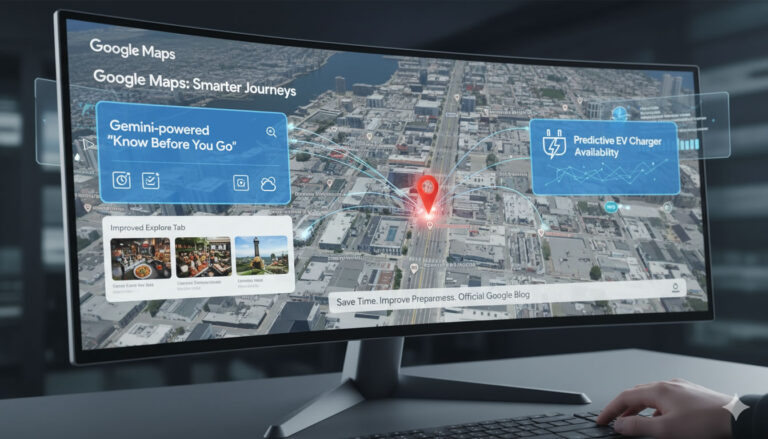
Google Maps: Gemini Tips, EV Charger Predictions & More!
Google Maps Gets Smarter: Gemini Tips & EV Updates Google Maps is enhancing user experience...
December 9, 2025
2 Comments
-
推荐奖金
Thank you for your sharing. […]
-
Inscreva-se […]
[…] I read many of your blog posts, […], your blog is very good.


Thank you for your sharing. […]
[…] I read many of your blog posts, […], your blog is very good.