
AI Helps Rice Farmers Adapt to Climate Change
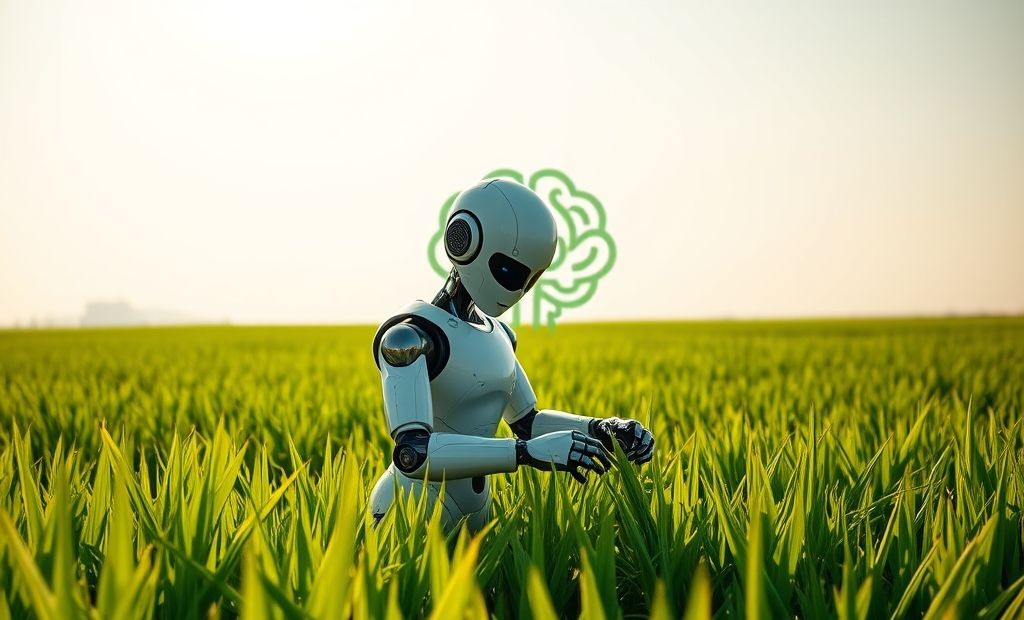

How AI Innovates Rice Farming Amidst Climate Change Climate change presents a significant challenge to rice farmers worldwide. However, innovative tech startups are stepping up...
⏱️ Estimated reading time: 2 min
Latest News










How AI Innovates Rice Farming Amidst Climate Change
Climate change presents a significant challenge to rice farmers worldwide. However, innovative tech startups are stepping up to help. One such company leverages the power of artificial intelligence to assist rice farmers in adapting to these changing conditions.
The Challenge: Climate Change and Rice Production
Rice is a staple food for billions, but its production is highly susceptible to climate change impacts, including:
- Erratic rainfall patterns
- Increased temperatures
- Rising sea levels causing salinization of arable land
- Pest and disease outbreaks
These challenges threaten yields and the livelihoods of rice farmers globally. Farmers need tools to make informed decisions and adapt their practices effectively.
AI-Powered Solutions for Rice Farmers
This particular startup provides farmers with an AI-driven platform that offers:
- Predictive analytics: The platform analyzes weather patterns, soil conditions, and historical data to predict potential risks and optimize planting schedules.
- Precision irrigation: AI algorithms determine the precise amount of water needed for each field, reducing water waste and maximizing crop yields.
- Disease detection: Using image recognition technology, the platform can identify early signs of disease, allowing farmers to take prompt action and prevent widespread outbreaks.
- Personalized recommendations: Farmers receive tailored advice on fertilizer application, pest control, and other best practices based on their specific field conditions.
Benefits of AI in Rice Farming
By adopting AI-powered solutions, rice farmers can achieve several key benefits:
- Increased yields: Optimizing resource allocation and mitigating risks leads to higher crop yields.
- Reduced costs: Precision farming techniques minimize waste and lower input costs.
- Improved sustainability: Efficient use of water and fertilizers reduces the environmental impact of rice farming.
- Enhanced resilience: Farmers are better equipped to cope with the impacts of climate change.
Related Posts

AI in 2026 How Intelligent Agents Are Becoming Trusted Work Partners
In 2026, artificial intelligence has transcended its role as a mere productivity booster, emerging as...
February 4, 2026

AI 2026 Shift From Labs to Live Operations
January 2026 signals a pivotal moment in artificial intelligence, the transition from lab experiments to...
January 30, 2026

Bluesky Enhances Moderation for Transparency, Better Tracking
Bluesky Updates Moderation Policies for Enhanced Transparency Bluesky, the decentralized social network aiming to compete...
December 11, 2025
Leave a Reply